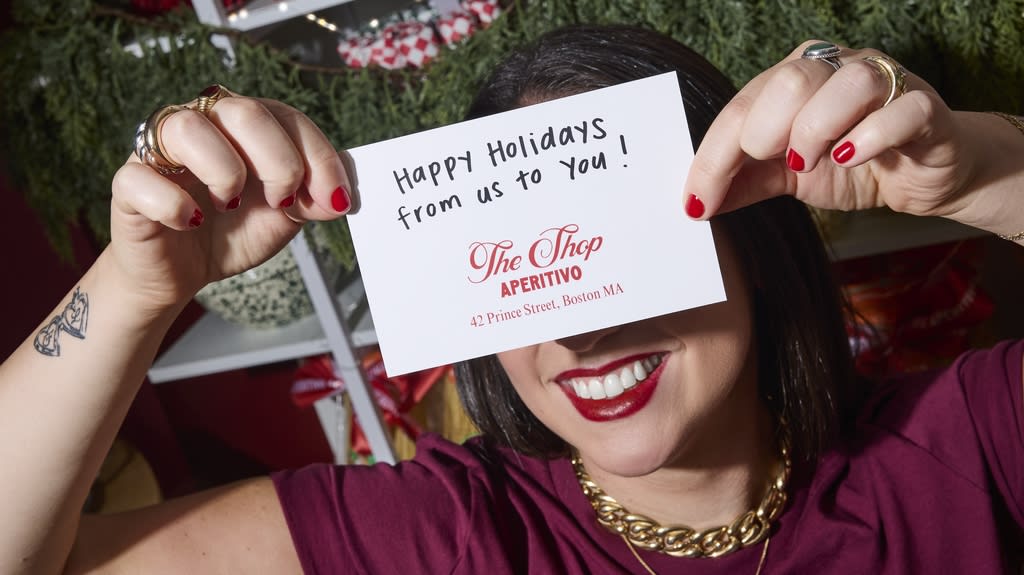
Sending holiday cards remains one of the season’s most cherished connection rituals, bridging physical distances, and reinforcing personal and professional relationships across busy schedules. Receiving a custom card in the mail serves as a tangible expression of warmth, gratitude, and intentionality that digital messages simply cannot replicate, but getting Christmas card etiquette wrong can ruin that goodwill.
This comprehensive reference guide covers essential postal timelines, envelope formatting formulas, signature ordering, and sensitive tone adjustments. Before diving into the logistics, explore our favorite christmas card ideas to spark inspiration for your personal design.
- Domestic holiday cards should be postmarked between late November and the first week of December (ideally before 5th December).
- Never use an apostrophe to pluralize a family surname on an envelope address or card signature.
- Use modern addressing protocols that include same-sex couples, unmarried partners, blended families and households with different last names.
- Adjust tone and messaging thoughtfully when sending holiday cards to recipients experiencing grief, loss or a difficult year.
When to send out holiday cards: Timelines and cutoff dates
According to holiday card etiquette, domestic Christmas cards should be postmarked between late November and the first week of December, ideally before 5th December. Mailing holiday cards within this timeframe ensures they arrive in mailboxes a couple weeks before Christmas and before peak postal delays without arriving prematurely before Thanksgiving.

To ensure holiday cards arrive on time, follow these mailing windows:
- International mail: Postmark from 10th to 15th November to allow time for customs processing and local overseas delivery.
- Domestic mail: Postmark from 27th November to 5th December for standard delivery.
- New Year cards: Postmark between 15th December and 5th January when sending Happy New Year greetings cards.
When is it too late to send Christmas cards?
Holiday cards postmarked after 10th December risk arriving too close to Christmas Day due to peak season postage delays. If you missed that cutoff date, switch to a Happy New Year card, which still feels timely through mid-January.
How to address a Christmas card
The proper way to address Christmas cards is to keep the envelope accurate, then make the addressing more relaxed inside. Modern Christmas card addressing etiquette is less about sticking to rigid rules and more about using the names and titles that recipients go by.
Envelope formatting
Handwrite or print custom addressed envelopes or address labels. Place return address labels in the top-left corner or on the back flap, so undeliverable cards return to you and recipients can update their address books.
Common addressing formulas
Use this table as a guide when addressing family Christmas cards, adjusting titles or name order to suit the recipients.
| Household dynamic | Formal outer envelope address | Casual / informal envelope address |
| Married couple (same last name) | Mr. and Mrs. John Smith | Sarah and John Smith |
| Married couple (different last names) | Ms. Sarah Jenkins and Mr. John Smith | Sarah Jenkins and John Smith |
| Same-sex married couple | Mrs. Jane Doe and Mrs. Mary Doe / Mr. Alex Taylor and Mr. Sam Taylor | Jane and Mary Doe Alex and Sam Taylor |
| Unmarried couple living together | Ms. Taylor Reed & Mr. Morgan Ellis | Taylor Reed and Morgan Ellis |
| Blended family / co-parenting household | The Smith and Jones Family / Ms. Sarah Jones and Children | Sarah, Mark and Emma Jones and Leo Smith / Sarah Jones and Kids |
| Single adult | Ms. Rachel Green / Mr. David Miller | Rachel Green / David Miller |
| Professional titles (e.g. Doctor) | Dr. Emily Ross and Mr. James Ross | Emily and James Ross |

Holiday card signature etiquette: How to sign a family Christmas card
Here’s how to sign a Christmas card for family:
- Adults: Traditionally, the woman’s name goes first, e.g. “Sarah and John Smith” but modern sign-offs can follow any preferred order.
- Couples with different surnames: Use both full names, e.g. “Sarah Jenkins and John Smith.” First names alone are fine for close friends.
- Children: List in order of oldest to youngest after their parents’ names, e.g. “Sarah, John, Emma and Lucas.”
- Pets: Add pet names at the end. Use a paw print custom stamp for a fun touch.
How to pluralize last names on a Christmas card
Never use an apostrophe to pluralize a family surname. Apostrophes indicate possession or ownership (e.g., The Smith’s home or John’s car). When pluralizing family surnames on holiday cards, e.g. “Warmest holiday wishes from the Smiths”, follow these simple rules:
| Last name ending | Grammar pluralization rule | Example output |
| Standard surnames (most letters) | Add -s | Smith → The Smiths Miller → The Millers |
| Surnames ending in S, CH, SH, X or Z | Add -es | Davis → The Davises Cox → The Coxes Marsh → The Marshes |
| Surnames ending in Y | Add -s (Never drop the y or change to -ies) | Berry → The Berrys Day → The Days |
If pluralizing a surname feels grammatically awkward, write “The Smith family” or “The Davis family” to bypass complex pluralization rules entirely.
How to navigate sensitive situations with holiday cards
Christmas cards can mean even more during a difficult year. For grief, illness, divorce, job loss or any major life change, make sure your holiday messages are warm and thoughtful.
Handling bereavement
Avoid sending an overly upbeat pre-printed message such as “Joyful & Bright!” to someone who has recently lost a loved one. A gentle line such as “Thinking of you this season” or a blank card with a short handwritten note will feel much more thoughtful. Remove the deceased partner’s name from envelopes and address to the recipient individually (e.g. “Clara Higgins” not “Clara and Thomas Higgins”).
Handling divorce and separation
Update your address list before mailing. Don’t send a joint card to separated or divorced couples — send individual cards to their separate new homes instead.
Business Christmas card etiquette
Businesses send holiday cards to thank clients, loyal customers and employees. Keep the design polished, the message inclusive and always add a personal handwritten touch.

Inclusive holiday messaging
Choose a greeting such as “Happy Holidays” or “Warmest Wishes for the New Year” unless you know the recipient celebrates Christmas. This is an easy way to make everyone feel included.
Handwritten signatures
Don’t rely on a printed logo or digital signature. A brief handwritten note and a real signature turn a standard business holiday card into something that makes clients feel appreciated.
Mailing schedule
Send business holiday cards in the first week of December, before offices close for Christmas. Cards are more likely to reach the recipient before people switch on their out-of-office replies.
Looking for design inspiration? Browse these custom business holiday card ideas.
Digital vs. physical card etiquette: When paper matters
Digital greetings cards are more convenient, but a high-quality paper card is more memorable. Choose between them based on the relationship with the recipient and holiday mailing list size.
When to send physical paper cards
Custom paper cards are expected and appreciated when sent to family, close friends and valued business clients. Physical cards double as festive home decor, displayed proudly on mantels and holiday card racks throughout December.
Explore these unique Christmas card designs for cards recipients will display with pride.

When to send digital greetings cards
E-cards and emails can work well for wider acquaintance groups, large mailing lists, last-minute greetings or senders and recipients who prefer a more sustainable Christmas card option.
Show you care with thoughtful Christmas cards
Christmas card etiquette is about showing thought and effort. Get the timing right, address households with care and write a message that suits the recipient, and your card will bring genuine joy to their mailbox.
Not every detail has to be perfect. A thoughtful note, a clearly addressed envelope and a little planning are what count. Whether you send a family photo, a simple seasonal design or a professional thank-you, the best holiday cards feel personal, warm and unmistakably yours.
Christmas card etiquette FAQs
Should you handwrite Christmas card envelopes?
Handwriting adds a personal touch, but printed envelopes and address labels are good alternatives, especially for long mailing lists, while clear lettering helps cards reach the address.
How do you address a Christmas card to a family with different last names?
When addressing family Christmas cards to households where family members have different last names, list both adults on the top line connected by “and” (e.g. “Ms. Sarah Jenkins and Mr. John Smith”). Children can be listed on the second line in chronological order from oldest to youngest or included informally alongside their parents (e.g. “Sarah Jenkins, John Smith, Emma and Leo”).
Do you use an apostrophe when signing a family last name?
Never use an apostrophe to pluralize a family surname. Apostrophes indicate possession or ownership (e.g. “The Smith’s home” or “John’s car”). Instead, pluralize last names with an -s or -es (e.g. “Warmest holiday wishes from the Smiths”).
Do you put a return address on Christmas cards?
Definitely. Put it in the top-left corner or on the back flap, so undeliverable cards return to you and recipients can update their address books.

