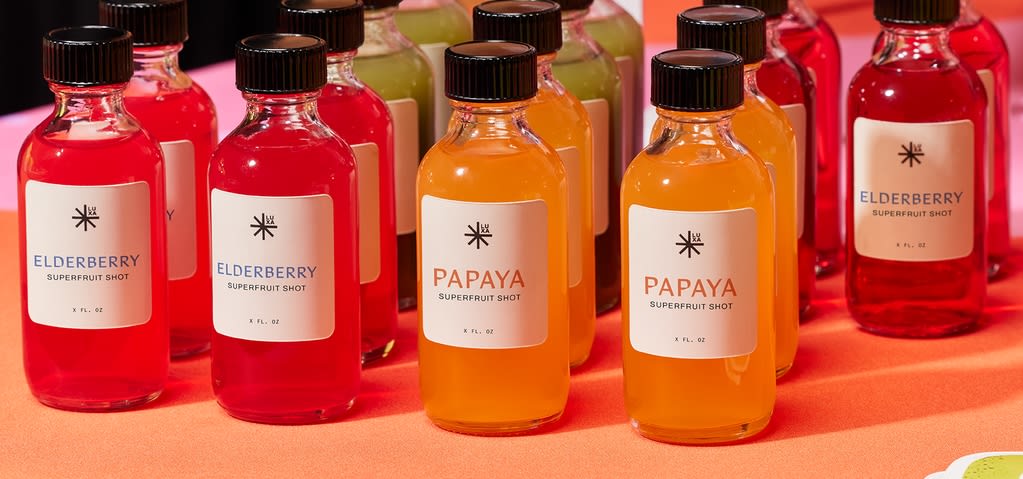
Product labels fall into three main categories: functional purpose, application format and material. That means looking at what the label needs to do, how it will be applied and what it needs to withstand. Choosing the right combination helps your packaging look consistent, communicate clearly and perform well in the conditions your product will face.
- Different label types serve distinct functions, from brand building to regulatory ingredient compliance.
- Matching label materials to packaging surfaces helps them withstand moisture, friction and temperature changes.
- Switching from sheet labels to roll labels can speed up application and improve consistency as production volume grows.
- Dynamic QR codes can connect physical product labels to digital content such as reorder pages, guides and reviews.
Why label selection matters for your brand
Choosing the right label means balancing branding, physical performance and any product information you need to include. A candle jar, refrigerated bottle and shipping box all place different demands on the label, so the best choice depends on where the product will be used, what the label needs to communicate and how durable it needs to be.
Surface and environment matter just as much as appearance. Smooth glass, flexible plastic, textured cardboard and fabric all call for different materials and adhesives, while moisture, oils, heat and sunlight can affect how well a label holds up over time.
The 4 main label types by functional purpose
The 4 main functional types of product labels are brand, descriptive, grade and informative labels. Each serves a different purpose, from building recognition to communicating product details, certifications and required information.
1. Brand labels
Brand labels focus on your logo, visual identity and overall brand look. They’re often the most prominent labels on the packaging and help customers recognize your product quickly, whether it’s displayed in-store or delivered directly to them.
2. Descriptive labels
Descriptive labels explain what the product is and highlight key details such as the name, flavor, scent, size or net weight. They’re especially useful on the front or top of packaging, where shoppers can quickly scan the information they need.
3. Grade labels
Grade labels communicate a product’s quality, classification or certification, such as organic status, vintage year or another recognized standard. They help shoppers identify those attributes quickly and can support purchasing decisions where quality or provenance matters.
4. Informative and regulatory labels
Informative and regulatory labels carry details such as ingredients, weight, nutrition facts, safety warnings, usage instructions and barcodes. Some of this information may be legally required depending on the product category, but it can still be organized clearly and designed to sit comfortably within the wider brand system.

Label application formats: Roll, sheet and single stickers
Once you know what your label needs to do, the next choice is how it will be supplied and applied. Sheet labels suit smaller manual runs, roll labels work well as volumes increase and die-cut singles are useful for individual stickers, inserts and giveaways. Your choice should reflect your production volume, application method and wider product packaging design setup, as well as the different types of packaging you use across your product range. .
| Format | Volume suitability | Application method | Best use cases |
| Sheet labels | Low to medium (1–500 units) | Manual application | Product launches, return addresses and small-batch packaging |
| Roll labels | Medium to high (500+ units) | Hand or machine dispenser | Bottling, high-volume packaging, jars and bags |
| Die-cut singles | Individual or promotional use | Manual application | Giveaways, retail inserts and standalone stickers |
When to switch from sheet labels to roll labels
Switch from sheet labels to roll labels when hand application starts slowing down production or you need a more repeatable process. Roll labels are wound on a continuous core, making them easier to use with dispensers and automated labeling equipment. If you move to machine application, check the required unwind orientation – such as top off, bottom off, right off or left off – before ordering.

Mailing and return address labels
Mailing and return address labels keep shipping information clear while giving e-commerce packaging a consistent branded look. They work across boxes, mailers and envelopes and can carry details such as addresses, return information or a business logo.
Match the label adhesive to the shipping surface and handling conditions so it stays securely attached in transit.
Custom hang tags
Hang tags are a strong option for apparel, gifts and products where you don’t want adhesive applied directly to the item. They give you space for pricing, care instructions, product names and branding while still being easy to remove.
Label materials, finishes and surface compatibility
Label material affects both appearance and performance. The best choice depends on where the product will be used, the surface the label needs to stick to and whether it will face moisture, oil, heat or regular handling.
Material substrates
Different materials suit different packaging environments, so start with how and where the product will be stored, handled and used.
- Paper labels: A strong choice for dry goods, boxes and indoor packaging where moisture resistance isn’t a priority.
- Vinyl and BOPP (plastic) labels: Durable options that resist water and oil, making them well suited to refrigerated drinks, bath products and cosmetics.
- Kraft paper labels: A good fit for handmade, artisanal and natural-looking products where texture and a more rustic finish suit the brand.
- Metallic film and foil labels: Useful for adding reflective accents and a more premium finish to products such as candles, wine bottles and cosmetics.
Glossy vs. matte vs. clear finishes
Finish changes both the look and readability of a label, so choose one that suits your artwork, packaging and lighting conditions.
- Glossy finish: Adds shine and helps colors appear more vivid.
- Matte finish: Creates a softer, low-glare look that works well for understated designs and readable text.
- Clear finish: Creates a “no-label” effect that lets the product or container show through the design.

Packaging surface compatibility
Match the label to the surface as well as the environment. Smooth glass and rigid plastic give adhesives an even surface to grip, while squeezable containers need labels flexible enough to move with the packaging. Textured cardboard, chilled cans and other harder-to-label surfaces may need stronger adhesive options, so test the material on the actual product before placing a larger order.
How to design custom product labels
A strong custom product label balances brand personality with clear information hierarchy. Start by deciding what customers need to notice first, then use typography, spacing and color to guide the eye.
- Establish visual hierarchy: Make the brand name or product title the main focal point, then use smaller, simpler types for supporting information such as ingredients, usage details or legal copy.
- Use color with purpose: Choose colors that fit your brand and create enough contrast for important text to stay easy to read.
- Keep small labels focused: Avoid cramming too much onto jars, bottles or other compact packaging. Prioritize the product name and key information on the front, then move secondary details to the back or another label where space allows.
“A great product label doesn’t try to say everything at once. It creates a clear visual focal point that draws the customer in, then lets clean typography guide the eye to essential product details.”– Shayne Tilley, GM Logo and Brand at VistaPrint
Need inspiration? Check out these label design ideas to get started.
Smart labels and seasonal packaging ideas
Labels can do more than identify a product. QR codes can connect packaging to digital content, while short-run label variations make it easier to update products for seasonal campaigns and limited editions.
QR codes and smart labels
QR codes can link physical product labels to digital reorder pages, care guides, ingredient information, tutorials or review pages. Keep the code high contrast, leave clear space around it and test it at the final printed size before ordering. If you’re using a dynamic QR code, you can update the destination later without changing the printed label.
Seasonal label promotions and short runs
Seasonal labels let you update existing packaging without redesigning the whole pack. Short-run sheet labels or die-cut roll stickers can highlight holiday editions, limited-run scents, promotional offers or gift messaging while keeping the core packaging unchanged.
Get the perfect label for your every application
The right label for your business comes down to matching its purpose, format and material to the way your product is packaged, handled and sold. Clear design, suitable materials and the right application format help labels communicate effectively, stay practical in use and support a consistent brand experience.
Types of labels FAQs
What’s the difference between a label and a sticker?
A sticker is usually decorative or promotional, while a label is more often used to identify, explain or organize a product. The terms can overlap, but labels typically have a clearer functional role.
Can I use the same label design across every product?
You can keep the same overall brand system, but the layout should adapt to different package sizes, shapes and product information. This keeps the range consistent without forcing one design to work everywhere.
What makes a product label look more premium?
Good spacing, clear visual hierarchy, readable typography and a well-chosen finish can all make a label feel more considered. Premium doesn’t have to mean flashy – clean, balanced design often works better.
Are hang tags a good alternative to adhesive labels?
Hang tags are a strong choice for apparel, gifts and products where you don’t want adhesive applied directly to the item. They can carry pricing, care instructions, product names and branding while staying easy to remove

