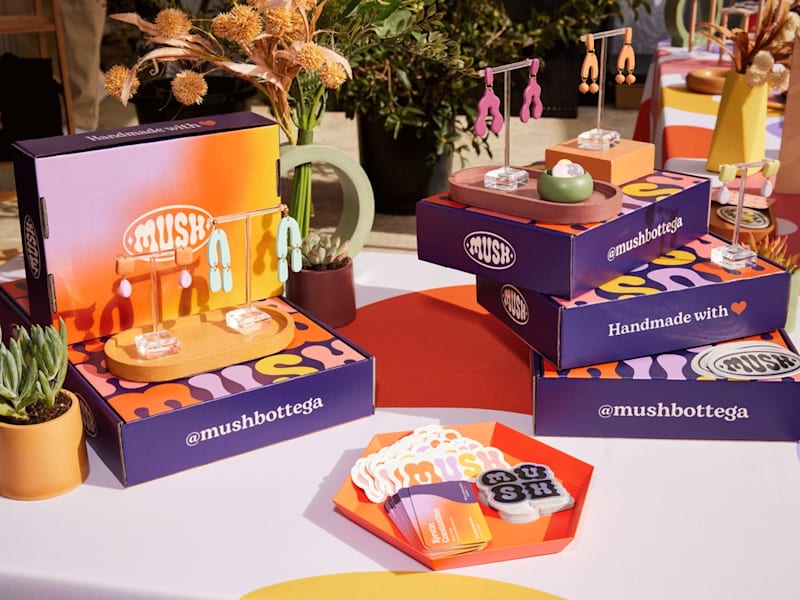
You’ve put the work into your new, limited-edition product. Your design is right, the pricing is fair and makes sense, the launch date is set — everything is ready. But when the moment finally comes, and it falls into someone’s hands, the experience falls just a little… flat.
Why? Because most launches treat packaging as an afterthought. Packaging is the first physical proof that your product is worth the hype. Without it, you can miss out on that extra boost that stand-out packaging gives you.
But when it’s done well, it works for three simple reasons:
- Urgency that pushes people to act faster
- Collectability that turns packaging into something that people want to keep
- Brand storytelling that helps your launch turn into more of a spectacle
For small business owners, the challenge is making all of that happen without blowing the budget or committing to huge print runs.
In this guide, we’ll take you through some practical limited-edition packaging ideas and strategies you can actually use to help you plan, test and launch with confidence.
- Limited edition packaging helps create urgency, collectability and a stronger launch story.
- You don’t need a full redesign. Small add-ons like stickers, sleeves or inserts can make a big difference.
- The unboxing experience is what people remember (and share), so plan it intentionally.
- A simple, repeatable system lets you create limited runs without increasing costs too much.
- The real impact comes after launch, when customers start sharing and extending the moment.
What is limited edition packaging?
Limited edition packaging is a short-run version of your standard packaging that’s designed to feel time-bound and tied to a specific moment. That’s what gives it that air of exclusive product packaging — something not everyone can get.
How that looks depends on what your goals are and the type of packaging you use. It can range from a full redesign to some small but memorable changes. The key is that it’s different, and importantly, temporary.
That sense of “this won’t be around for long” is what makes limited edition packaging so effective for launches. It gives customers a reason to buy now, not later, and makes the product more considered and intentional from the moment it arrives.
And you don’t need large minimum order quantities to make it work. With the right mix of base packaging and small add-ons, you can create a limited run that looks polished, feels special and stays within budget.
Why limited edition packaging works
Limited edition packaging works because it makes something intangible a lot more real. Instead of telling customers a product is special, it shows them through small, physical cues they can see and hold.
Here’s how (and why) it works:
Urgency: Scarcity drives faster decisions
When packaging signals a limited run, through numbering, labels or a clearly different design, it tells customers this isn’t something they can come back to later.
That’s where a bit of FOMO (fear of missing out) starts to kick in. It can be enough to change someone’s mind from “I’ll think about it” to “I’ll get it now.”
Collectability: Packaging becomes part of the product
When you release variations, numbered items or create distinct editions, the packaging stops being disposable. Instead, it becomes something people want to keep, display or even talk about. It also adds a sense of perceived value, like they’ve managed to get their hands on something a bit more rare, which adds to the experience.

Source: Label design for the beer can HOPSULATOR TRíO by ANGRYCAT™ via 99designs by Vista
Brand storytelling: Making your launch an event to remember
Limited edition packaging gives you a reason to tell a story. Whether it’s tied to a season, a collaboration or a milestone, it creates context around your launch. That shared context makes it easier for people to talk about it, post it and feel part of something bigger, which is where you can start to build that valuable social proof.
The important thing is that these signals are physical. Customers experience your launch the moment they open the box. And when it delivers, it’s what turns a standard delivery into something worth sharing, remembering and coming back for.

Source: Hand-made soaps logo and packaging design by Pepper Pack Design via 99designs by Vista
10 limited edition product launch packaging ideas
You don’t need a big budget or a full redesign to make packaging feel limited. Most of the time, it comes down to small, intentional changes that signal this isn’t your usual run.
1. Numbered packaging
A simple “1 of 50” label can go a long way. It makes the product finite, and people treat it differently because of that.
2. Seasonal packaging ideas
Tie your packaging to a moment. It could be a holiday, a campaign or even your own launch window. The point is to give it a clear reason to exist now.

Source: Bring Holiday Cheer With Christmas by znakovanj via 99designs by Vista
3. Custom stickers on standard boxes
If you’re already using plain boxes, don’t change them, upgrade them. A well-designed sticker or label can instantly signal a limited run.
4. Belly bands or sleeves
A printed wrap around your packaging gives you a completely different look without starting from scratch.
5. Hand-stamped packaging
Stamps add a bit of variation and texture. No two boxes look exactly the same, which makes the whole run more personal.
6. Collaboration packaging
Bring in a designer or illustrator for a one-off version. When you create something that is truly unique, the appeal around it can absolutely skyrocket, especially if you manage to collaborate with a known artist.
7. Hidden messages or inserts
Add something inside the box like a note, a print or a small extra. It gives people a reason to share the unboxing, not just the product.

Source: Package and logo design by StanBranding via 99designs by Vista
8. Colorway drops
Keep the packaging design the same, but just change the color. Release them in small batches, and you’ve got something people might come back for.
9. Personalized packaging
Even light personalization, like a short message, can make early buyers feel like they got something that others didn’t.
10. Eco-focused editions
Switching materials can be part of the story. Recycled, recyclable or lower-impact options give people another reason to choose your product.
Source: Packaging design for subscription box product launch by CUPEDIUM via 99designs by Vista
The low-cost switch: A budget-friendly approach
If you take one thing from this guide, make it this: You don’t need to break the bank and redesign everything to create something fresh and new. Most limited edition packaging that works well follows the same simple approach.
Here’s how to do it:
Start with a standard base
Use packaging that’s reliable and cost-effective — kraft boxes, mailers or anything you already order regularly. This keeps your costs predictable and avoids large minimum orders.
Add limited-run elements
Build on top of that base with smaller pieces. Stickers, stamps, sleeves or inserts can completely change how the packaging looks without actually changing much.
Focus your budget where it shows
Put your spending into the parts people notice first. The outer layer, the opening moment and anything that gets photographed during unboxing. That’s where real value is created.
Reusable packaging or packaging designed for intentional repurposing
Sustainability has become a huge factor in people’s buying decisions, with more than 80% of consumers saying they are willing to pay more for sustainably produced or sourced goods, which makes it a natural fit for limited edition packaging.
Here are a few ways you can approach it:
- Use better, more sustainable materials: Start simple. Cut down on plastic and swap in recycled paper or cardboard where you can.
- Make sustainability part of your message: If you’ve gone sustainable, let people see it. A line on the packaging, or a nod in the campaign, doesn’t need to be overdone, but it’s worth talking about.
- Design with a second life in mind: Try to think past the unboxing. Packaging that ends up being reused, or just worth holding onto, tends to stick around.
Source: package and logo design by StanBranding via 99designs by Vista
How do I design packaging for a product launch?
First things first, treat your unboxing like a short sequence rather than a single moment. You want to consider everything from the moment it lands in your customer’s hands, to how it opens and what shows up first (and what’s hidden away).
Here’s what you need to think about:
1. Plan the reveal: Start with the outer box and work your way in. Each step should lead you to the next one.
2. Create intentional layers: Tissue, a sleeve or just a simple wrap will do. It adds some texture and slows things down a bit, which only adds to the excitement.
3. Add one memorable moment: This could be a note, a bold visual or a small extra. You don’t need loads; just one thing people notice.
4. Make it different from your usual packaging: Even a small change in color, texture or format helps show this is a limited run.
5. Keep it simple to execute: If it’s hard to pack or inconsistent, it won’t scale. The best ideas are the ones you can repeat easily.
If you get this right, then you’ve really created something worth sharing, which is where the next step comes in.
Creating a post-launch social strategy
Now that your limited-edition packaging is ready to launch, you can focus on what happens after people get their hands on it.
- Encourage social sharing: The more people share your product, the more people it reaches. A simple line inside your box, a QR code or a follow-up email can prompt people to share their experience.
- Reward the behavior: Feature posts, reply to them or even run a small giveaway. Anything that gives people a reason to interact.
- Learn and reuse what works: Turn customer posts into an ongoing content strategy that you can use on your socials, product pages and even future launches.
Source: Sleek product insert card design by makmoer via 99designs by Vista
Your launch day checklist
Before you hit launch, it’s worth running through a quick check to make sure everything holds up in real life.
- Budget set
- Unit cost confirmed (including add-ons like stickers or sleeves)
- Supplier chosen
- Samples approved (materials, print quality, colors)
- Small test run completed to check the full unboxing experience
- Packaging design finalized and files ready for production
- Limited-run elements produced and quality checked
- Stock ordered in line with your launch numbers (with a small buffer)
- Packing process tested so it’s quick and consistent
- Timeline locked in for production, delivery and packing
- Backup options ready in case something runs late
It doesn’t need to be complicated; you just want to avoid any surprises once your orders start going out.
Make the moment count
Limited edition packaging works best when you’re confident and deliberate. A well-timed change in packaging can turn a standard launch into something people notice, giving customers a reason to buy now and a reason to care when the product arrives.
That doesn’t mean you need to go all in every time. In most cases, the best results come from testing small ideas, seeing what resonates and building from there. Because when limited edition packaging lands, people notice it, talk about it and remember it (and your brand).
Frequently asked questions
What should I focus on for my design?
Start by mapping out the unboxing experience from start to finish. Focus on a clear reveal, add one or two intentional layers and include a small detail that makes the moment feel considered.
Is limited edition packaging worth the cost?
It can be, if it’s done with intention. You don’t need a full redesign — small changes like stickers, sleeves or inserts can create the same effect without significantly increasing costs.
How do you create a sense of urgency with packaging?
Make the limited nature visible. Numbered runs, unique designs or messaging that clearly signals a short availability window all help push people to act sooner.
What are the best materials for a limited edition box?
Standard materials like cardboard work well, especially when paired with limited-run elements. If sustainability is part of your story, recycled or compostable materials can add extra value.

