
Picture this: One of your loyal customers goes to collect their mail and is delighted to find a package from your business adorned with custom labels. Instantly, they recognize your brand and are excited to reveal what’s inside. That brand recognition and positive customer experience can go a long way. In fact, the right types of labels can help you strengthen branding, improve functionality and communicate important product details all at once.
In this article, we’ll walk through common label types, how to choose the right label for your product, design advice to make labels look polished and professional, material pros and cons, and a few emerging label trends to know about.
- Different types of labels do more than decorate packaging; they help with branding, product information and customer experience.
- Choosing the right label depends on your surface, product type and the conditions the label needs to withstand, like moisture, heat or friction.
- Strong label design relies on clear information hierarchy, smart font pairings and colors that match your brand personality.
- Label materials each have trade-offs, so it helps to balance look, durability and budget before you order.
- Interactive and sustainable label ideas, like QR codes or eco-conscious materials, can add extra value without overcomplicating your packaging.
Why choosing the right label matters
When considering how to pick small business packaging and choosing the right label, it helps to think beyond shape or finish. A label sits at the intersection of branding, functionality and, in some categories, regulation. It might need to look beautiful on a candle jar, survive condensation on a cold bottle, hold up in a busy shipping workflow or make room for required ingredients and usage details. That’s why the best label choice depends on where it’s going, what it needs to say and how hard it has to work.
Surface type matters, too. A smooth glass jar, squeezable plastic tube, cardboard mailer and fabric hang tag all call for slightly different label solutions. The environment matters just as much: If your product will face water, oil, heat, sunlight or lots of handling, that should shape your decision from the start.

Roll labels
If you’re ready to go a little sticker crazy, roll labels are perfect for high-volume situations, such as giveaways, product mailings or stickered check-out packages. They’re a great choice when your goal is to maintain professional consistency on bags, boxes, jars and custom packaging in a cost-effective way.
There are a lot of ways to personalize roll-style labels with your brand colors, logo, contact information and more. Labels are often available as round, square and rectangular stickers in various sizes and finishes, ranging from paper and plastic to the high-end feel of gold foil. When choosing the right label in roll format, think about the surface you’re applying it to. Paper labels can work nicely on dry packaging like boxes or paper bags, while more durable materials such as plastic and foil are often better for jars, bottles or items that may be exposed to moisture or friction.
A beauty retail and spa business, for example, might add a sticker to every bag they pack with products, carrying the serene experience beyond their doors. Fitness classes can offer stickers to die-hard customers to affix to their water bottles to stay top of mind and benefit from additional exposure.
Design advice
For roll labels, keep the layout simple and bold. Use strong contrast so the logo or product name is easy to read at a glance. If you’re designing for wellness or skincare, muted earth tones can help signal calm, purity and simplicity. If you’re labeling an energy drink, gaming accessory or tech product, high-contrast neon paired with black can create a more intense, high-energy feel.
Add seasonal flair to your packages and mailings with holiday labels, or choose die-cut roll labels for custom-designed shapes.
Product labels
Product labels are a flexible option branded to your business. While they add a certain flourish, they also make it easy for customers to find everything from product names and ingredients to usage details.
With a wide range of options in sizes, colors and finishes, product labels can show customers that you bring the same level of care and professionalism to everything you sell. Consider color theory, too: Warm tones can feel energetic and inviting, cooler tones can feel calm and trustworthy, and high-contrast palettes can help important product details stand out more clearly on the shelf.
Use product labels in a store setting to make your handcrafted products instantly discoverable and recognizable. A vivid, crisp label can help bring candles, food products and dry goods to life. A gardening business can affix every pot or plant they sell with a custom label that tells buyers what they’re getting and reminds them of best practices for plant care.
Design advice
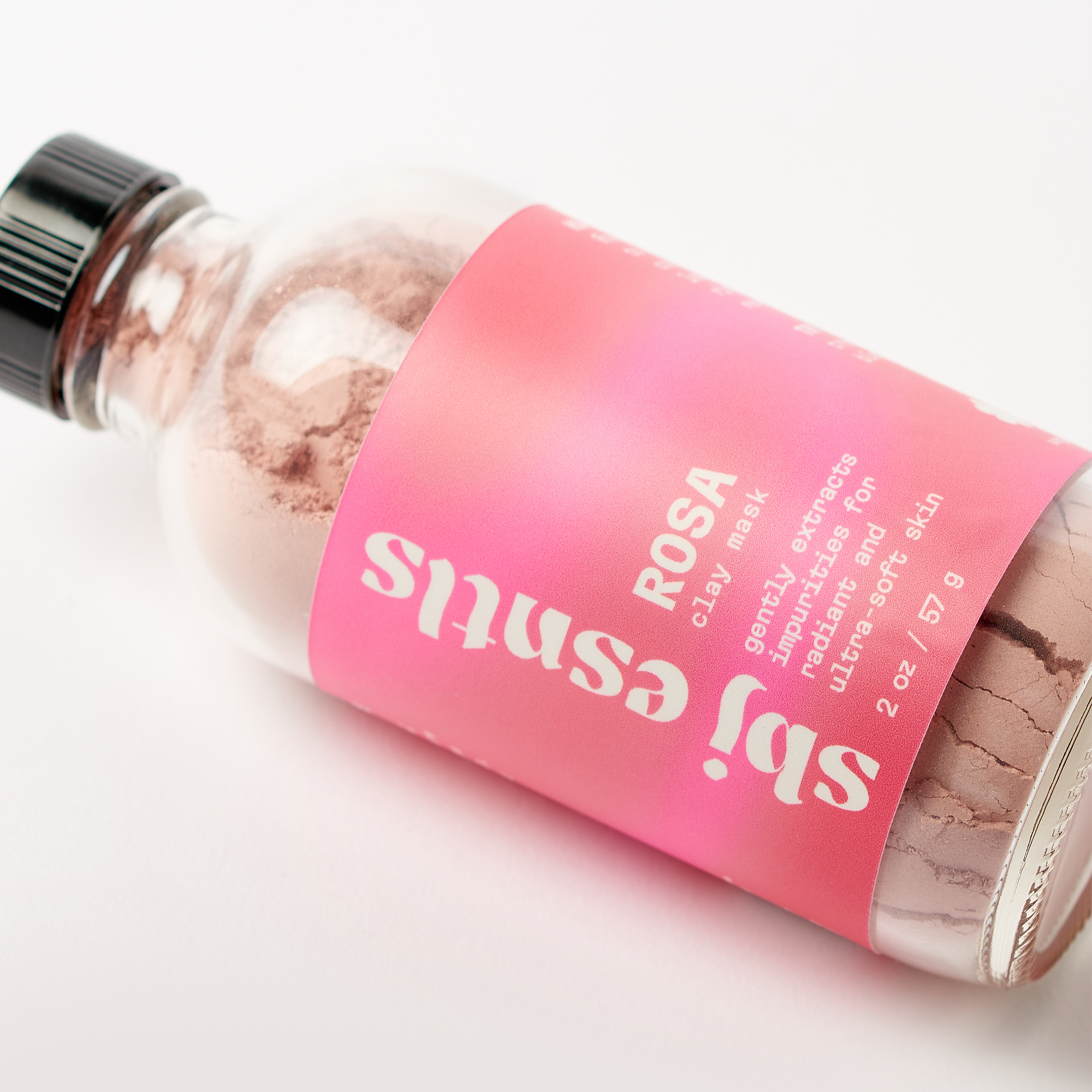
A good product label should guide the eye in the right order. Use font weights and size to create visual hierarchy: Make the product name the star with a more expressive display font, then pair it with a clean sans-serif for supporting details like ingredients, scent notes or usage instructions. This helps labels feel polished without becoming cluttered.
If you’re working with smaller packaging, resist the urge to cram in too much. Prioritize the details that matter most on the front, then use secondary panels or back labels for anything more detailed. That’s often the smartest way of choosing the right label layout for smaller products.
Food and beverage labels
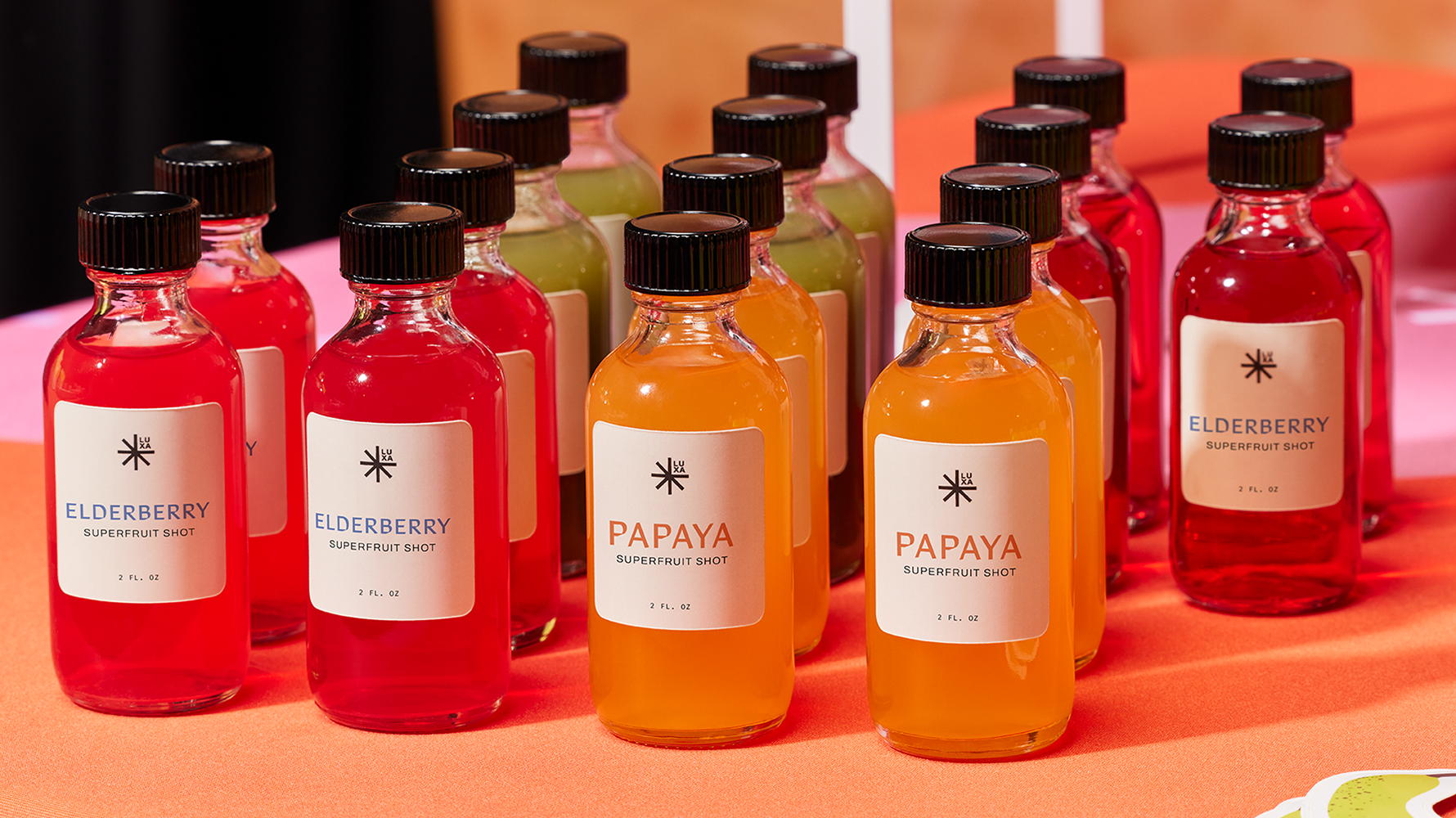
Whether you’re a specialty shop making locally sourced food and beverages or you simply carry snacks as part of a wider inventory, food and beverage labels help bring your offerings to life. They also often have more jobs to do than other label types, since they may need to support branding, ingredient communication and category-specific requirements all at once.
Food and beverage labels can be customized to the type of packaging, including jars, bottles, cans and more. Brands can design stickers that stand out with their logo and colors and further drive home their customer experience with touches such as a glossy or matte finish. Here, material choice matters a lot: Refrigerated items, oily products or bottles that collect condensation often need more durable label solutions like plastic and foil than dry pantry goods.
Businesses can be creative in how they use food and beverage labels. An organic brand might choose food packaging labels that highlight their certified organic status and ingredients to speak directly to their customers. An events firm that’s hosting a dinner might choose branded wine labels for a pulled-together experience that extends to the event’s food and beverage.
Design advice
Make sure the most important information stands out fast. For example, the product name, flavor or variety should be easy to scan first, while ingredients, nutrition or usage details can sit beneath in a simpler typeface. That balance between personality and readability matters a lot in food packaging.
You can also use label design to communicate mood. Earthy greens, soft creams and muted browns can help natural or artisanal products feel grounded and premium, while brighter color blocking can create a more playful, grab-and-go feel.
There’s a wide range of custom food and beverage labels available, including food product labels and beer labels that can be customized for cans or bottles, as well as wine labels.
Mailing labels
Don’t let your packages and letters get lost in the mail! Custom mailing labels help you save time and effort while keeping a cohesive, branded look on all your outgoing marketing, mailings and packages.
Return labels make it easy to get mailings out, while branded mailing labels feature your logo or color and can be easily hand-addressed or printed for a professional flair. An envelope seal or packaging label adds a personal touch in unexpected places.
E-commerce businesses can have a full packaging experience so that every element of the products they send out creates a sharp, unforgettable brand experience. Real estate firms, lawyers and other high-volume marketers can put their brands front and center on mailings so they don’t get overlooked. Mailing labels can also help tie your packaging into the rest of your brand system, especially if you’re thinking about your wider print marketing materials or reviewing your marketing material must-haves for customer communications.
Design advice
Mailing labels need to be clean above all else. Keep address information highly legible, avoid busy backgrounds behind essential text and use your brand colors sparingly so the label still feels polished and practical. If your packages may be exposed to rain or rough handling, durability should be a top priority when choosing the right label for shipping.
Choose a labeling option that stands up to weather conditions with waterproof labels.
Hang tags
Get an upscale, flexible look for your products, displays and packaging with hang tags. Add your own touch by customizing the shape, size, paper and finish of tags to match your brand.
With custom hang tags, it’s easy to feature what makes your products special. They let you display care instructions, pricing, product names and more while adding a special touch to packages or products that customers won’t miss.
Draw the eye to specialty products in a sports and fitness setting, or make it easier for customers to navigate through fashion items on their own with carefully placed hang tags. Businesses that want to add custom touches to bags with gift certificates or small purchases, such as nail salons or pet grooming companies, will find a hang tag to be an easy, classy addition.
Design advice
Hang tags give you a little more room to play, so they’re a great place for texture, premium finishes and expressive typography. Just make sure readability still comes first. A decorative headline font can work well for the product name or collection, but details like pricing, materials or care instructions should stay in a crisp, easy-to-read sans-serif.
Interactive and sustainable label ideas to know
Labels are getting smarter, and in some categories, more sustainable too. Interactive labels can include QR codes that lead customers to tutorials, product stories, care instructions, reorder pages or ingredient transparency details. Some brands are also experimenting with NFC-enabled smart labels that connect a quick tap to digital content. If you go this route, make sure the code or tag is easy to find, clearly explained and surrounded by enough blank space to scan easily.
On the sustainability side, some brands are exploring eco-conscious materials, wash-off label innovations and mono-material packaging systems that make recycling easier. Since these options vary a lot by product type and packaging setup, they’re usually best treated as one factor in your decision rather than the only factor. It’s a space worth watching, even if not every option is right for every small business.
Label materials: Pros and cons
Choosing the right label material can make a big difference in how your product looks, feels and performs, so it’s worth weighing the trade-offs before you commit.
Pros
- Paper labels are a budget-friendly option that can create a soft, classic or artisanal look.
- Plastic or film labels tend to be more durable, making them a strong choice for products exposed to moisture, friction or frequent handling.
- Clear labels can create a sleek, minimal no-label effect that lets the product itself take center stage.
- Foil or specialty-finish labels can add a more elevated, premium feel to packaging and help products stand out on the shelf.
Cons
- Paper labels are usually less resistant to water, oils and wear, so they’re not always the best fit for products used in damp or messy environments.
- Plastic or film labels can feel less tactile or natural than paper, depending on the brand look you’re going for.
- Clear labels need very clean design and strong contrast to stay readable, especially on transparent or busy packaging.
- Foil or specialty-finish labels can make text harder to read if overused, and they may not suit every budget or brand style.
Leveling up with labels
In the world of branding, attention to labels can help bring your business to life. Different types of labels allow you to sprinkle brand magic at every customer touch point, from the packages you mail to the products you feature. When you choose carefully, labels can do a lot of heavy lifting: helping products look polished, communicate clearly and hold up in the real world. Whether you’re refining packaging for a single hero product or building a broader guide to marketing collateral for your business, labels are a surprisingly powerful detail. Explore how labels are a cost-effective way to level up your customer experience.
Types of labels FAQs
What’s the difference between a label and a sticker?
A sticker is usually more promotional or decorative, while a label is often designed to identify, explain or organize something. In practice, the terms can overlap, but labels usually have a clearer functional role.
Are matte or glossy labels better?
It depends on the look and use case. Matte labels can feel softer and more understated, while glossy labels tend to look brighter and more vibrant. Matte can also make text easier to read in some lighting, while gloss can help colors pop.
Can I use the same label design across every product I sell?
You can keep the same brand system, but it usually helps to adapt the layout for different sizes, shapes and product details. That way, everything still feels cohesive without forcing one design to do every job.
What makes a label look more premium?
Good spacing, a strong information hierarchy, readable fonts and a thoughtful finish can all make a label feel more elevated. Premium doesn’t have to mean flashy – often it just means clear, intentional and well-balanced.
Should I add QR codes to my labels?
They can be a great addition if they lead somewhere useful, like care instructions, ingredient details, a reorder page or brand story content. The key is making sure they’re easy to scan and worth scanning.

