
If you’re a small business owner, you know profitability matters. One of the best ways to protect your margins is to understand your packaging costs before they quietly pile up. So, how much does packaging cost, really? In this article, we’ll break down the main expenses behind a smart custom packaging budget, show you how to calculate your cost per unit and explain where to save without making your brand look cheap.
- Packaging supports product presentation, brand identity, customer experience and shipping safety.
- Breaking down packaging costs by materials, production, customization, shipping, volume and storage helps stay on top of your packaging budget.
- Eco-friendly materials and practices are increasingly popular, attracting consumers who value sustainability.
- The cheapest option is often stock packaging with simple branded add-ons like labels or tape.
- Premium packaging can be worth it when margins are strong, products are fragile or brand presentation drives repeat sales.
How much does packaging cost (at a glance)
If you want the quick version, here it is: for most small businesses, package spending often lands somewhere around 10% to 40% of a product’s retail price, but the right number depends on your product, margins, fragility and brand positioning.
Your biggest costs usually come from materials, printing, shipping, labor, storage and returns. For many brands, the most affordable route is stock boxes or mailers with low-cost branding. Premium packaging may be worth the cost when the unboxing experience helps justify price, reduce damage or increase repeat purchases.
| Cost factor | What it covers | Ways to go premium | Ways to save |
|---|---|---|---|
| Materials | Boxes, mailers, pouches, inserts, void fill | Choose heavier materials, special sizes, premium substrates. | Standardize sizes and reduce excess material. |
| Printing | Logos, labels, custom designs, finishes | Using full-color printing, foil, embossing, low order volumes. | Use stickers, tape or one-color branding. |
| Shipping | Carrier charges tied to size and weight | Select oversized packaging, dimensional weight, extra fill. | Right-size packaging and use lighter formats. |
| Labor | Packing, taping, labeling, assembly | Adopt multi-step assembly, hand-applied extras, slow workflows. | Use self-sealing formats and simpler pack-outs. |
| Storage | Shelving, warehouse space, dead stock | Order various box sizes and in bulk. | Order strategically and consolidate SKUs. |
| Returns | Replacements, reverse logistics, repacking | Improve fit and protection before adding fancy extras. | Avoid driving costs up with weak packaging, poor fit and product damage. |
Why packaging costs matter
Packaging costs are easy to underestimate because they show up in different places: materials, shipping, labor, storage and replacements. But together, they can have a real effect on margin. A better packaging plan doesn’t just cut costs, it helps you spend in the right places, improving packaging ROI.
Packaging affects more than protection
Packaging does protect your product, but that’s only part of the job. It also affects how professional your brand looks, how smooth the customer experience feels and how safely your order arrives. Even simple, high-impact small business packaging can make a brand feel more polished without pushing costs too high. The goal is not to copy big brands, it’s to choose packaging ideas that match your product, your customer and your budget.

How much should a small business spend on packaging?
There’s no one perfect number. Many businesses spend around 10% to 40% of the retail price on packaging, but that range is a starting point, not a rule. A fragile product, a luxury brand or a giftable item may need a bigger custom packaging budget than a low-margin everyday product. The better question is not “What should everyone spend?” but “What level of packaging makes sense for my margins, my product and my brand?”

How to calculate packaging costs
Calculating packaging costs gets easier once you break the total into a few simple parts. Start by identifying every packaging-related expense, then turn it into a cost-per-unit number you can actually use.
Step 1: Identify all variables
First off, list every possible cost that goes into your packaging, including:
- Raw material costs: e.g. cardboard, plastic cases and biodegradable options
- Customization expenses: custom printing costs, embossing, special finishes, branded tape, stickers
- Shipping fees: based on size, dimensions and weight
- Storage costs: renting space to keep your packaging and shipping supplies
- Production and labor costs: the cost of labor and producing your packaging
- Returns-related costs: replacement packaging, repacking and reverse logistics
Getting granular here helps you avoid surprises. An unexpected fee in one area can mess up your entire packaging cost calculation if you’re not careful.
Step 2: Use a simple cost-per-unit formula
The next important step of the process is calculating your costs. Use this straightforward formula:
(Total Cost of All Packaging Factors) ÷ (Total Number of Units) = Cost Per Unit
Don’t forget to tweak this equation for variable costs of packaging vs. fixed costs. For instance, if you pay a one-time design fee for a custom logo, that’s a fixed cost that spreads out across all your units. The cost of materials and shipping, on the other hand, typically vary with order volume.
Step 3: Account for order volume
Buying in bulk can lower your overall packaging cost per unit, but it can also increase your storage and upfront e-commerce packaging expenses. Think of it as a balancing act: do you have space for large orders of packaging materials or enough product turnover to justify the inventory? Once you have a handle on this, fine-tune your final custom packaging budget.

Breakdown of packaging costs
Now that you know how to do the math, let’s break down each cost category in more detail. Even though costs can vary by industry, these core elements remain consistent for most small businesses.
- Raw materials: The type of materials you use can significantly affect the cost of packaging. Cardboard is a tried-and-true classic, lightweight, recyclable and affordable packaging choice. Plastic case packaging options can provide a slick, durable finish but come with a higher environmental impact.
Biodegradable materials appeal to eco-conscious customers and can set your brand apart. VistaPrint offers a range of sustainable packaging options, including biodegradable plastic pouches and mailers.
- Manufacturing and production: Production costs include cutting, folding, shaping, printing setup and quality checks. If your packaging needs special machinery or custom inserts, costs rise quickly. Higher volumes can sometimes help you negotiate better rates.
- Customization and branding: Foil stamping, embossing and premium finishes can make a package feel special, but they also increase cost. Before adding them, ask whether they support the sale or just look nice. For many businesses, stock packaging with branded labels, tape or stickers delivers enough personality without the full cost of custom printing.

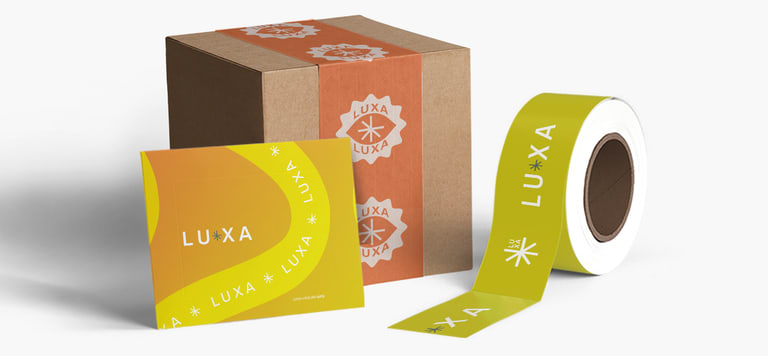
Customizing packaging with branded labels, tape and stickers is an easy yet effective way to make your packaging more memorable.
- Shipping and logistics: Shipping costs depend on both size and weight, and large lightweight boxes can still be expensive because of dimensional weight pricing. Right-sizing your packaging and reducing empty space can make a big difference to e-commerce packaging expenses.

- Labor and assembly time: Packing time costs money too. Taping boxes, folding inserts, applying labels and assembling extras all add labor time to every order. Simpler formats like self-sealing mailers or fewer packaging components can reduce fulfillment time significantly, which matters even more as order volume grows.
- Storage: Storage costs include shelving, warehouse space and the cost of carrying too much inventory. Ordering in bulk can reduce unit cost, but it can also leave you with dead stock and less room to operate.
- Returns and replacement costs: Returns can quietly raise your total packaging spending. Damaged products, replacement shipments, repacking and reverse logistics all come with a cost. If packaging is too flimsy or the fit is poor, you may end up paying more later than you saved upfront.
- Hidden packaging costs: Some packaging costs don’t stand out until you start tracking them closely. Assembly time, oversized packaging, wasted void fill, damage-related replacements, warehousing, dead stock and one-time setup fees can all push your real cost higher than expected.
How packing materials affect shipping costs
Packaging material does more than affect presentation – it changes how much you pay to ship. Carriers often look at actual weight and dimensional weight, or DIM, which is a pricing method based on how much space a package takes up. That means a big lightweight box can cost more than you’d expect simply because it takes up room in transit.
Weight, size and shape all change your rates, which is why right-sizing matters. Try to reduce empty space without cutting back on protection. A smaller box, slim mailer or pouch can sometimes lower shipping costs more than switching to a cheaper material. If you’re working out how to pick effective packaging, start by asking what gives the product enough protection with the least wasted space.

Further packaging strategies and considerations
Once you understand the basics, the next step is making smarter packaging choices based on how your business actually ships, sells and grows.
Comparing common packaging options
Different packaging formats come with different trade-offs, so it helps to compare cost, protection and presentation before deciding what works best for your business.
Rigid boxes vs. folding cartons
Rigid boxes feel premium and protective, but they usually cost more to produce, store and ship. Folding cartons are lighter and more affordable, which makes them a better fit for many everyday products. If presentation is central to the sale, rigid boxes may be worth it. If not, folding cartons usually offer better value.
Boxes vs. mailers vs. pouches
Boxes are great for structure and protection, mailers help reduce weight and shipping volume and pouches can work well for lightweight, flexible products. The best choice depends on fragility, size and how much branding space you need.
Standardization vs. customization: What makes sense for your budget?
For many small businesses, standard packaging plus labels or branded tape/stickers is the smarter choice because it keeps ordering simple and costs lower. Fully custom packaging makes more sense when packaging is part of the product experience or helps justify a higher price point. A good rule of thumb is this: if better packaging helps you sell more, charge more or reduce damage, it may be worth the cost.
Planning to design packaging yourself? Check out our custom packaging design tips.
Sustainable packaging: Does it really cost more?
Sometimes, yes. Recycled, recyclable or compostable materials can cost more upfront, but they may save money elsewhere if they reduce material use, improve brand perception or support lighter-weight shipping. Before paying extra, check whether the claims are backed up by real certifications and whether the material actually suits your product.
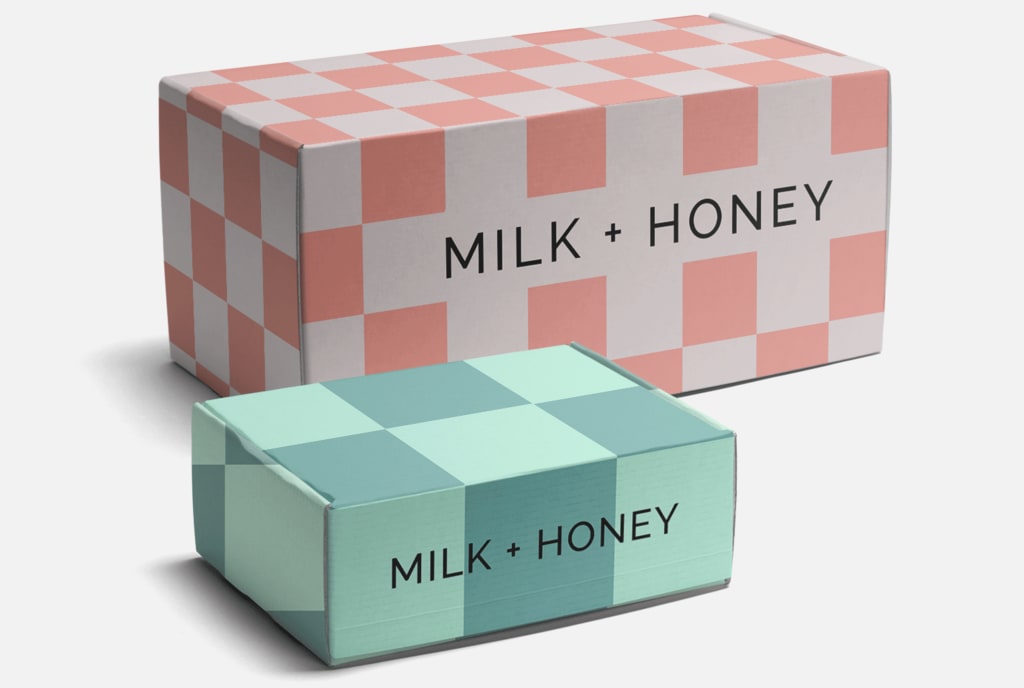
Smart ways to cut packaging costs without looking cheap
- Use smaller, lighter packaging where possible.
- Simplify customization instead of defaulting to full custom print.
- Standardize packaging sizes.
- Use self-sealing formats to cut labor time.
- Order strategically, not just in bulk.
- Reuse cardboard or buy misprint inventory for internal use.
The SIPP effect
SIPP stands for Ships in Product Packaging. It means the product’s own packaging is strong enough to ship without needing much extra outer packaging. For some small businesses, this can reduce secondary packaging costs, packing time and material waste. It works best when the product packaging is durable, secure and not likely to get damaged in transit.
A tiered packaging strategy for growing brands
Not every order needs the same level of packaging. Basic packaging may be enough for everyday orders, while premium packaging can be saved for VIP customers, gifts, launches or influencer mailers. A tiered approach helps control cost while still giving you room for creative packaging tips when they matter most. For a broader guide to packaging and marketing, it can also help to map packaging choices to different customer moments instead of using one format for every order.
Think outside the box
Packaging is not just something you buy at the end of the process, it’s a business decision that affects margin, customer experience and fulfillment efficiency. When you break packaging costs down clearly, it becomes much easier to see where to save, where to spend and what actually supports your brand. The best packaging strategy is the one that protects your product, fits your budget and works hard for every order.
Packaging cost FAQs
What percentage of product cost should be spent on packaging?
Many businesses land somewhere around 10% to 40% of the retail price, but that range depends on your margins, product fragility, shipping method and brand positioning. A premium skincare brand may spend more than a basic household goods seller, and that can still make sense if the packaging supports the price point or reduces damage.
How can I reduce my shipping and packaging costs?
Start by reducing package size and empty space, simplifying customization and standardizing formats where possible. Lighter packaging, self-sealing mailers and better-fitting boxes can lower both shipping and labor costs at the same time.
Is custom packaging worth the investment for small businesses?
It can be, but only when it does a real job for the business. If custom packaging helps justify a higher price, improve customer perception or support repeat sales, it may be worth it. If not, stock packaging with simple branding is often the smarter move.
What is the cheapest way to package e-commerce products?
In many cases, the cheapest option is stock packaging such as standard mailers or boxes with low-cost branded touches like labels, stickers or tape. The lowest-cost setup usually combines lightweight materials, minimal assembly time and packaging sizes that fit the product closely.
How do packaging materials affect shipping rates?
Packaging materials affect both weight and package size, which directly influence shipping rates. Large lightweight boxes can trigger dimensional weight charges, while heavier materials increase actual shipping weight. Choosing the right format can lower cost without reducing protection.

