Holiday marketing is a major opportunity for small businesses, but crowded advertising channels and limited time can make it difficult to compete while protecting your margins. So, what are the most cost-effective holiday marketing ideas for small businesses?
The strongest small business holiday strategy connects physical and digital touchpoints. A postcard can send shoppers to an online gift guide, a packaging insert can encourage a second purchase and an in-store sign can promote a social contest. This makes your campaign easier to track while helping customers move smoothly between your store, website, inbox and social channels.
The nine ideas below focus specifically on affordable, multi-channel campaigns you can run during the holiday season and into the new year. If you still need to organize stock, staffing and fulfillment, use this business holiday prep guide alongside these campaign ideas.
- Start holiday campaign planning by September to secure print materials and reduce last-minute shipping costs.
- Connect physical postcards to dedicated landing pages using trackable QR codes and unique promo vouchers.
- Turn standard shipping boxes into gift-ready deliveries with branded tape, tissue paper and thank-you inserts.
- Structure customer and corporate gifting into three budget tiers to protect your margins.
Keep your holiday marketing on track with a three-phase plan
Start planning in August or September and launch previews by mid-October. The best small business holiday marketing ideas match your inventory, staffing and packing capacity. Give each campaign a launch date and a fulfillment deadline.
Use these three windows as a flexible framework, adjusting for the year’s holiday dates:
- Phase 1: Early shopper window (October 1 – November 15): Share holiday previews, mail VIP postcards and introduce limited-edition bundles. Schedule print deliveries before your first mailing or event.
- Phase 2: Cyber Week and peak volume (November 16 – December 5): Run focused promotions, refresh in-store displays and send emails inviting shoppers into your store. Match offer quantities to what your team can fulfill.
- Phase 3: Last-minute local rush and shipping deadlines (December 6 – December 24): Promote buy online, pick up in store, local shopping events and gift cards. Stop advertising holiday delivery once your shipping cutoff passes.
Starting holiday planning late? You got this! Start by simplifying your campaign and adapt these ideas for a smaller, late-season push. Focus on the phase 3 buying window.

Work backward from when each item must reach you. VistaPrint standard delivery is as soon as six business days, including production, with exceptions by product and destination. Orders placed after 6 p.m. ET are calculated from the next business day, so use the checkout arrival date and allow extra time for assembly and customer mailing.
Order materials for November campaigns by late October or earlier if checkout estimates require it. Set separate deadlines for custom products, shipped gifts and local pickup, then display them on your website, postcards and counter signs.
1. Build a phygital print-to-digital QR bridge
A phygital campaign connects printed materials with an online action. A shopper scans your postcard and lands directly on the matching offer. That makes your holiday promotional campaign ideas easier to follow and measure.
For your custom postcards, choose heavyweight glossy or matte cardstock and full-color, two-sided printing. Put a product photo and clear benefit on the front. Use the back for the offer, expiration date, QR code and a short URL for customers who prefer typing.
| Physical asset | Digital destination | Customer action |
|---|---|---|
| Holiday postcard | VIP landing page | Unlock an early-access offer |
| Direct mailer | Interactive gift guide | Browse gifts by price or recipient |
| Packaging insert | Holiday countdown page | Return for a daily promotion |
Mail to past buyers for a retention campaign. For neighborhood reach without a customer list, choose an Every Door Direct Mail (EDDM)-compatible format rather than assuming every postcard size qualifies. Give each mail batch a unique promo code and tracked URL, then compare purchases with printing, postage and discount costs.
2. Craft exclusive seasonal product bundles and gift-ready packaging
Seasonal bundles combine complementary products into one easy gift. Pair a bestseller with a useful accessory to increase order value. Price the set to cover product costs, packaging and labor before adding a discount.
A candle shop could pair a candle with a wick trimmer and matches. Name the bundle, show everything included and explain who might love it. You’ve just saved someone a small gifting headache.
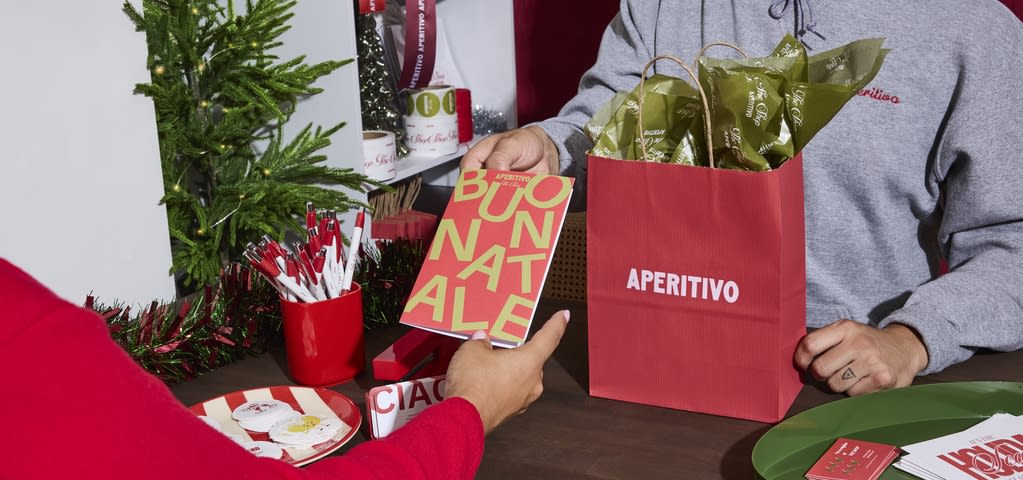
For presentation, choose custom printed mailer boxes when your budget allows. Wrap products in custom tissue paper, secure the fold with a 2-inch roll label and add a cardstock thank-you insert. Keep protective cushioning where needed, because pretty packaging still has a job to do.
For a smaller budget, keep your standard box and add branded tape or a holiday belly band around the product box. A printed paper band can hold the bundle together and carry a seasonal message. Assemble one sample and time yourself before ordering enough holiday packaging for the whole season.
3. Launch local B2B co-marketing collaborations
Community partnerships let complementary businesses introduce each other to neighborhood customers. Choose a partner with a similar audience and a different product range. Shared seasonal marketing ideas can stretch both budgets while giving shoppers more reasons to visit.

Try these practical formats:
- Counter card voucher swaps: Display each other’s offers beside the register, with a partner-specific redemption code.
- Neighborhood shopping passports: Print a shared stamp card that rewards visits to participating stores with a clearly defined perk.
- Split-cost event signage: Share banners and window graphics for a late-night shopping evening or holiday pop-up.
“Growth partnerships should get your brand in front of another brand or person’s audience and can be pulled off with little or no budget… Try social media giveaways, swapping shout-outs in email marketing, swapping samples for a gift-with-purchase partnership or offering cobranded bundles around holidays and themes.”– Jasmine Garnsworthy, Founder and CEO of Female Founder World
A coffee shop and bookstore could create a coffee-and-paperback gift set. Agree on stock contributions, payment handling and who assembles each bundle. For a shared event, put the date, address and main attraction on every invitation, then use a QR code for RSVPs.
Use these tips for planning an in-store holiday event to coordinate staffing, floor layouts and refreshments.
4. Turn unboxing moments into user-generated holiday buzz
An unboxing campaign invites customers to share the experience of opening your products. A printed insert puts the invitation where the moment happens. Keep entry steps simple enough to understand before the tissue paper hits the floor.
- Entry trigger: Add a QR insert linking to instructions and full campaign terms.
- Sharing steps: Ask for a short video, your account tag and a clear campaign hashtag that identifies contest entries.
- Prize incentive: Offer store credit or a seasonal product bundle that fits your audience.
- Transparent rules: Publish eligibility, deadlines, prize details and judging criteria. Check applicable promotion laws and platform rules before launch.

Ask for honest reactions and make the contest connection clear in shared posts. Secure permission before reposting customer footage. Reuse approved submissions in your holiday gift guide or alongside the matching product.
5. Coordinate segmented direct mail and email campaigns
A segmented campaign gives different customer groups a relevant reason to return. Printed mail introduces the offer, and email makes checkout convenient. Coordinate both around the same message so customers recognize it easily.
Build your holiday direct mail strategy around purchase history:
| Audience segment | Physical mail format | Digital follow-up message |
|---|---|---|
| VIP (top 10% spenders) | Premium gold foil holiday cards with a personal thank-you and exclusive code | Early access to curated gift pairings |
| Lapsed customers with no orders in 6+ months | Oversized 6 x 9-inch postcards with a seasonal credit voucher | A brief “We miss you” message featuring new arrivals |
| Recent category buyers | Product catalog inserts featuring complementary accessories | Recommendations related to their previous purchase |
For VIPs, start with a specific thank-you before introducing an offer. If your margins don’t support discounts, early access can provide a perk without a price cut. Send a reminder around the expected mail arrival and suppress redeemed offers from later reminders.
Explore more ways to use holiday cards to strengthen customer relationships.
6. Partner with local creators for targeted holiday reach
Similar to B2B co-marketing partnerships, local creator partnerships introduce your business through people whose audiences match your customers. Look beyond follower counts to location, engagement and content quality. A neighborhood gift guide can be a useful fit for a local store.
- Shortlist three to five creators whose followers live in your trading area or shipping region.
- Send a curated gift box featuring neighborhood creators. Dress it up with branded tissue, a personalized welcome note and a creator-specific discount card.
- Invite an honest demonstration or gift-guide feature, agreeing on paid deliverables separately.
- Track code redemptions and sales against the full cost of products, packaging and fees.
Ask creators to clearly disclose gifted products or payment when posting. A free box doesn’t guarantee coverage or a positive review. Build the relationship around a good audience fit and a clear brief.

7. Build a budget-conscious holiday brand asset library
A holiday asset library keeps your print and digital materials visually connected. Reusing a small set of designs saves setup time. It also helps customers recognize the same promotion on your window, website and packaging.
- Establish your theme: Choose seasonal colors, two brand fonts and one main message.
- Create master files: Keep logos, graphic motifs and editable copy in a shared folder.
- Start small: Check readability on a roll label or insert card first.
- Scale the design: Adapt it for storefront signs, email banners and social graphics.
| Brand asset | Physical application | Digital application |
|---|---|---|
| Color palette | Ribbon and packaging tape | Email headers and social banners |
| Logo and seasonal graphics | Counter cards, packaging sleeves and window displays | Homepage and promotional graphics |
| Offer wording | Postcards and box inserts | Landing pages and social captions |
| Storefront message | Vinyl banners showing holiday hours or events | Online event listings and reminders |
Give your storefront one clear focal point, such as a gift bundle and price. Use a readable headline, keep the entrance visible and place smaller gift suggestions near your checkout. For exterior banners, choose outdoor-rated material, such as VistaPrint’s 15-ounce option, with grommets and reinforced edges rather than its 13-ounce indoor material.
Find more Christmas holiday signage ideas for coordinated exterior and window displays.
8. Structure B2B and B2C client appreciation gifts by budget tier
Useful gifts keep your appreciation part of someone’s everyday routine. Choose items that suit the recipient and your relationship. The strongest corporate holiday campaign ideas start with a thoughtful thank-you, with branding taking a supporting role.
Use these per-recipient planning tiers rather than treating them as guaranteed product prices:
- Tier 1 – Customer giveaways, under $5 per unit: Consider festive sticker packs, branded pens or simple desktop calendars ordered in volume.
- Tier 2 – Regular client appreciation, 10-25 per unit: Explore stainless steel tumblers, hardcover notebooks or canvas tote bags with a personal note.
- Tier 3 – Top partner keepsakes, 25-50+ per unit: Consider embroidered fleece, curated gourmet baskets or personalized gift boxes, allowing more for premium options.
Browse business gifts to compare suitable items and customization choices.
Calculate the complete cost, including decoration, shipping and wrapping, before assigning quantities. Check corporate gift policies and ask about dietary needs or apparel sizes where relevant. Send gifts early enough for recipients to enjoy them before office closures.
For message inspiration and bundle ideas, explore how to thank customers and corporate gift basket ideas.

9. Capture post-holiday revenue with early Q1 bounce-back vouchers
A bounce-back voucher gives holiday buyers and gift recipients a reason to shop again. Place it inside outgoing December orders. A January redemption window turns the holiday delivery into an invitation for a future visit.
- Print a clear offer: Use a 4 x 6-inch insert with an offer such as $15 off a purchase of $60 or more.
- Set the window: Make the promotional discount valid January 1–February 15.
- Explain the terms: Include exclusions and whether other discounts can be combined.
- Protect your margin: Check the minimum spend and track redemptions with a dedicated code.
Keep the card friendly and easy to save. Include your store address or a short shopping URL. Give recipients a clear next step without another inbox reminder.
Bringing your holiday marketing channels together for a bigger impact
Choose a campaign based on your immediate goal and available capacity. This matrix connects the physical marketing materials with their digital follow-through. Start with the campaign style your team can deliver consistently. Add-in more campaign features as your resources allow.
| Campaign style | Physical assets | Digital integration | Primary objective |
|---|---|---|---|
| Print-to-digital bridge | Postcards and inserts | Tracked URLs and QR codes | Generate measurable online sales. |
| Community co-marketing | Voucher cards and event signs | Shared invitations and RSVPs | Bring local shoppers into stores. |
| Repurposing assets | Banners and packaging tape | Matching emails and web headers | Save design time and build recognition. |
| Bounce-back vouchers | Printed promotional cards | Time-limited checkout codes | Encourage early Q1 repeat purchases. |
Make your holiday marketing work beyond December
A good holiday campaign connects a useful offer with a clear next step. Pick the ideas that fit your customers, order printed materials early and make your deadlines easy to find. Thoughtful packaging and personal thank-yous can keep the relationship going after the decorations come down.
Holiday marketing ideas FAQs
How much should I budget for holiday promotions?
Start with what you can afford to spend after product and operating costs. Add up printing, postage, discounts and staff time, then estimate the extra orders needed to cover the campaign. Set a spending cap before placing orders.
Can a service business run a holiday campaign?
Yes. Package an appointment, workshop or consultation as a giftable experience, with a printed certificate or presentation card. Explain booking availability and what’s included so buyers know exactly what they’re giving.
How can I make holiday messaging welcoming to different customers?
Use greetings that reflect what you know about your audience. For a broad customer list, appreciation-focused wording such as “Thank you for being part of our year” offers a warm starting point. Choose specific holiday references when they fit the recipient.
What should I do if a promoted product sells out?
Update the campaign landing page immediately and offer a clearly labeled alternative. Pause digital promotions for unavailable items. For postcards already in circulation, explain the change at the printed URL and give shoppers a useful next step.
Should holiday promotions mention gift returns and exchanges?
Make your policy easy to find before checkout, especially for gift purchases. Explain gift receipts, exchange arrangements and any product exclusions in plain language. Include a link or short policy reference with the purchase so recipients can find help.

